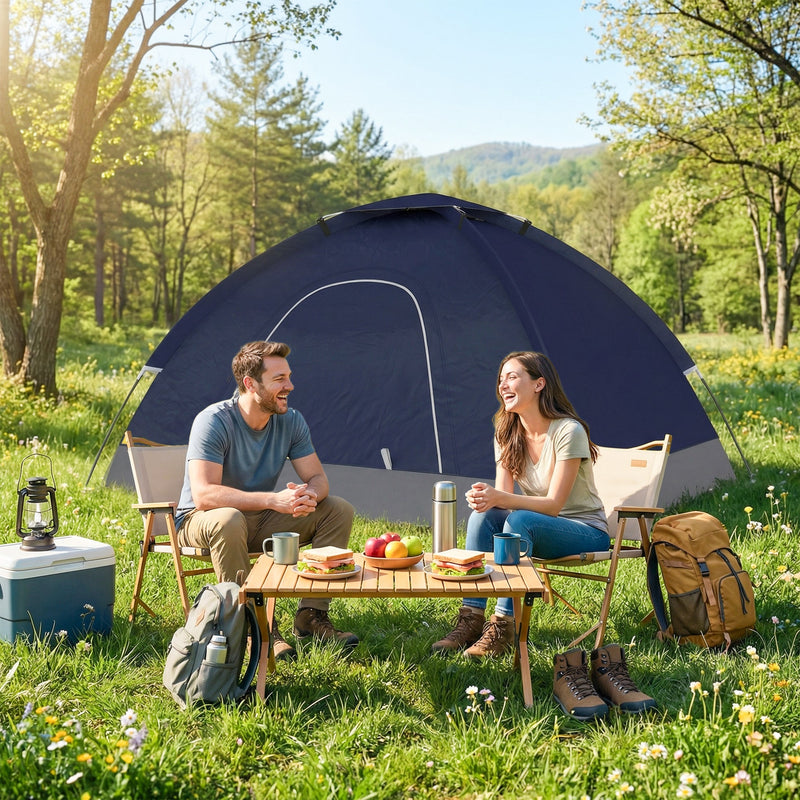
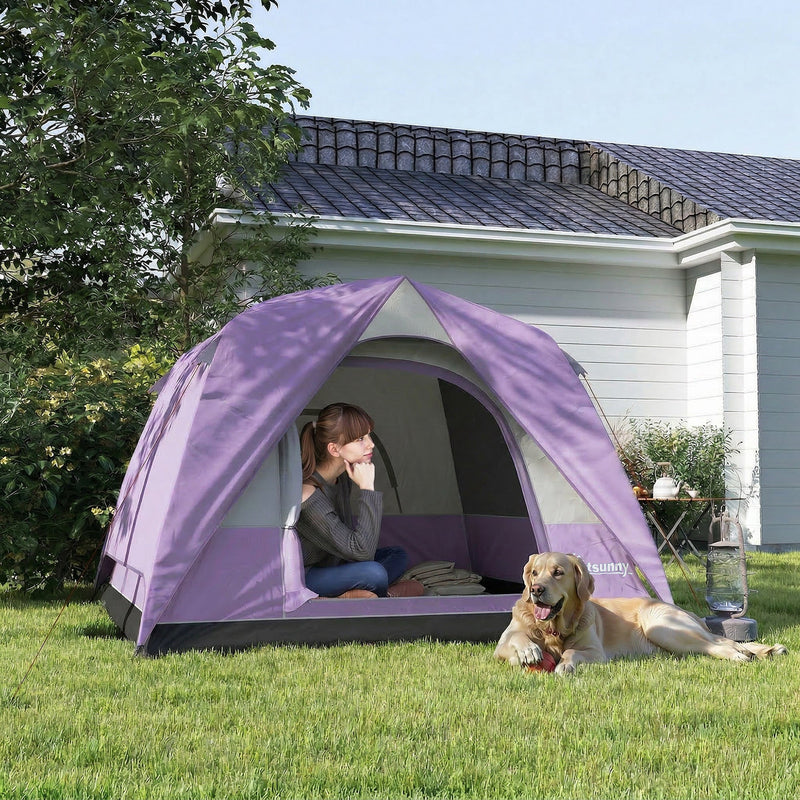
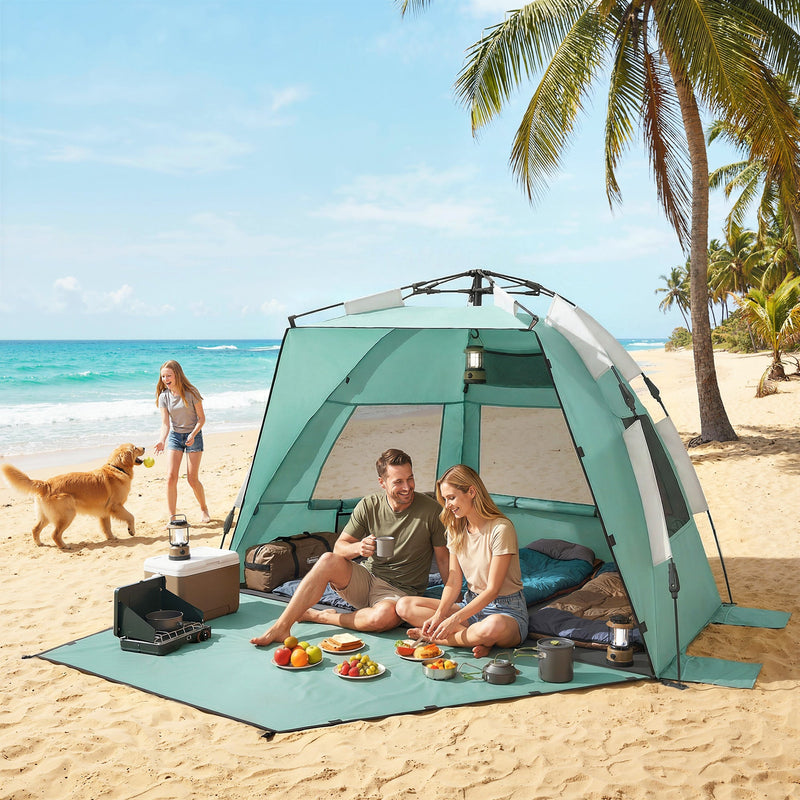
Camping Tents

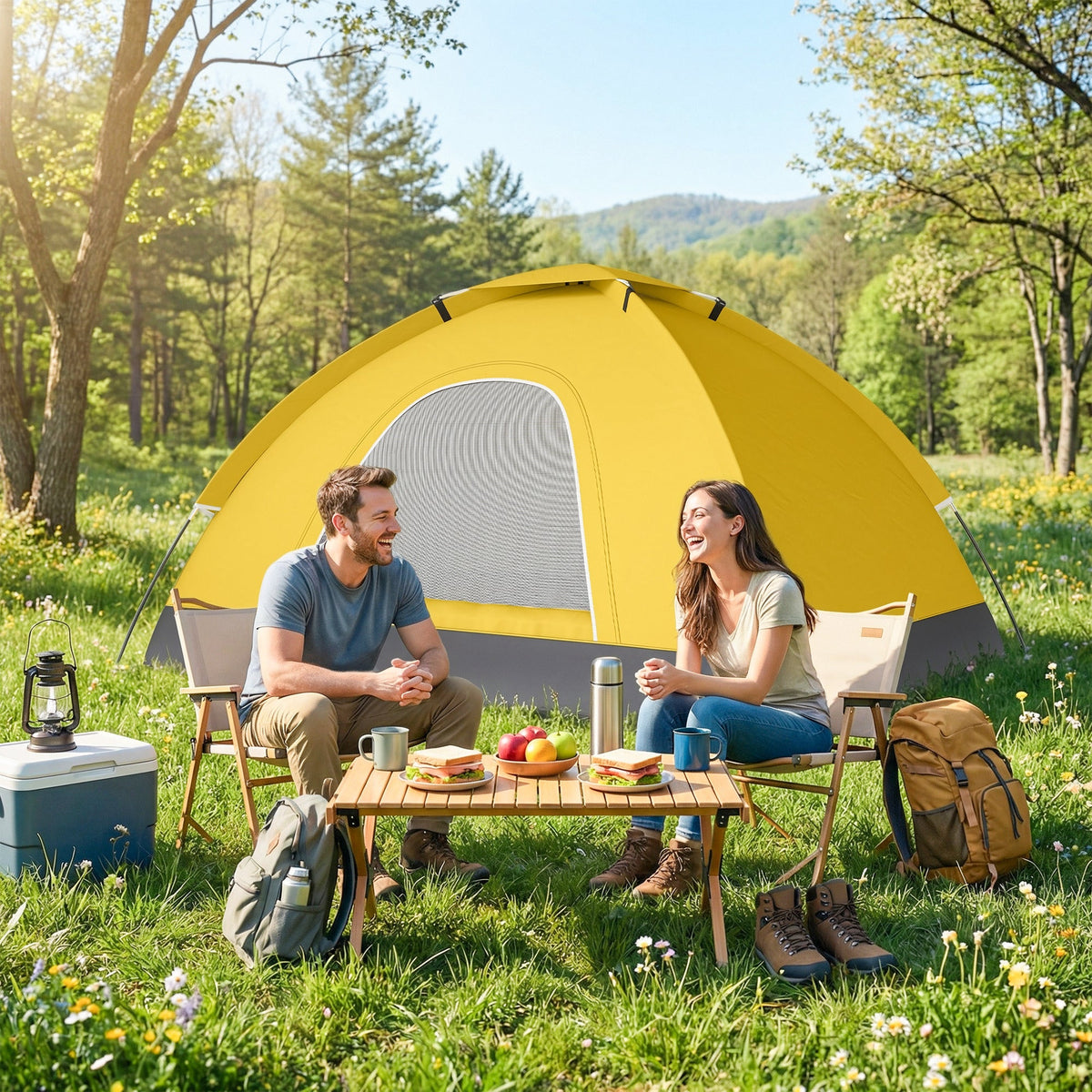
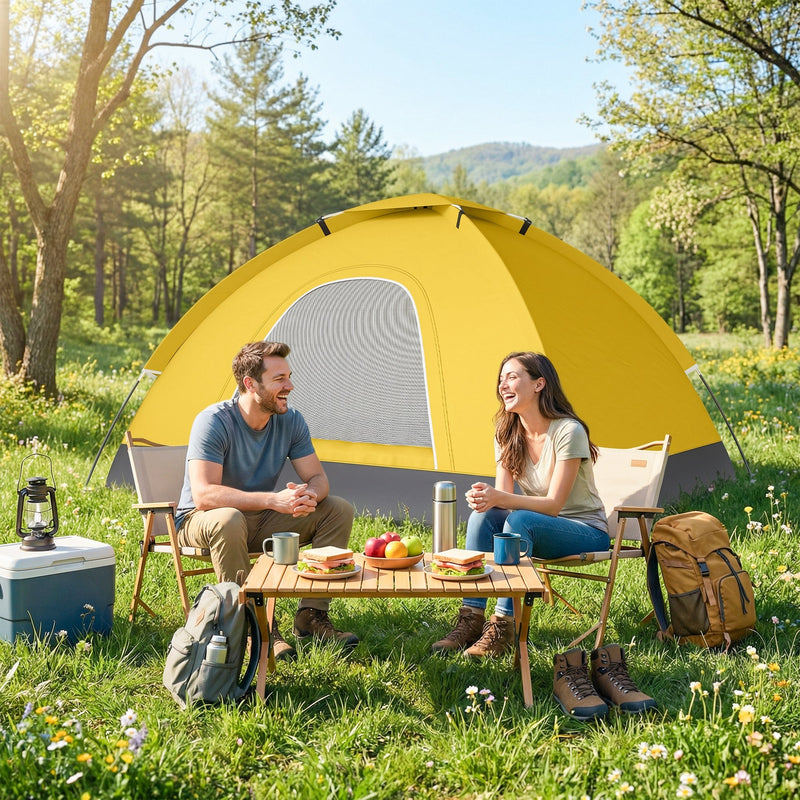
Camping tents in this collection range from compact two-person shelters to roomy six-person family designs, covering dome, tunnel, inflatable and pop-up beach styles. Whether you are heading to a festival, a weekend campsite or a day at the coast, there is a layout to match the number of people and the type of trip.

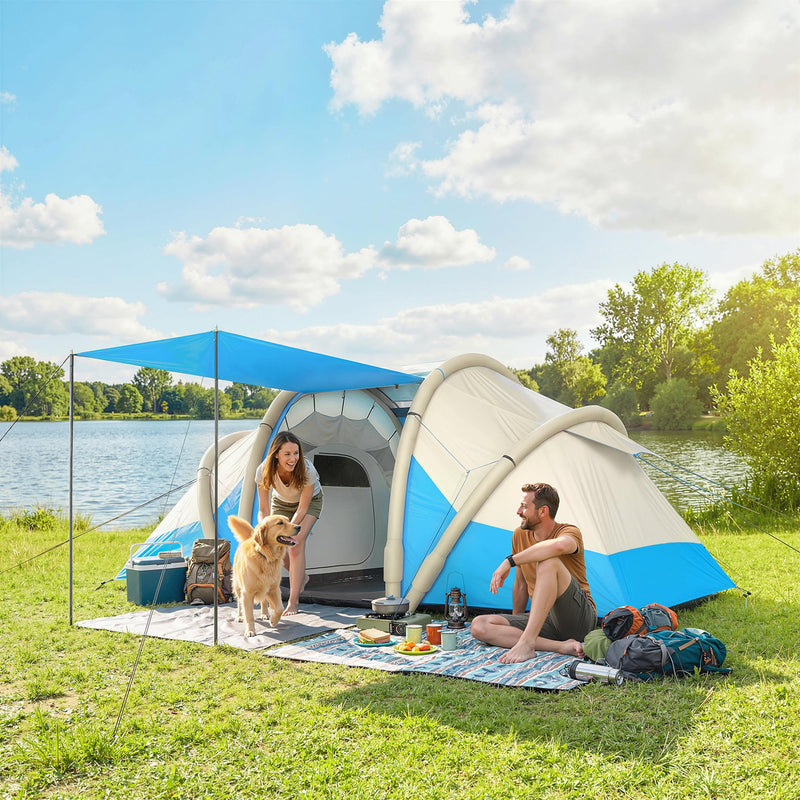
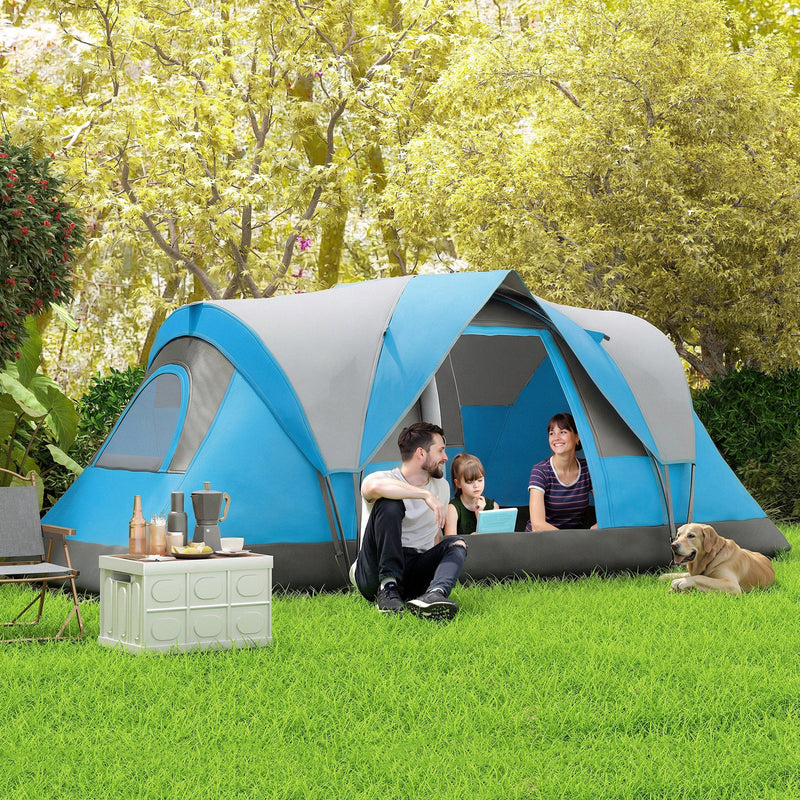
Dome and tunnel tents offer standing height and separate sleeping areas, while inflatable models use air beams instead of poles for quicker pitching. Lightweight pop-up beach tents provide shade and shelter from the wind on the sand.

Look for features such as waterproof coatings, ventilation panels and carry bags when choosing a tent for your needs.

6 products From £69.98 to £418.49
Everything you need to know

Choosing the right garden storage for your space

Garden storage has to do three things at once: keep your kit dry, stand up to British weather year after year, and actually look right next to your planting. Most cheap options get one of those — ours are designed around all three.

Use the filters to narrow by capacity, material, and feature. If you're not sure where to start, our 60-second storage finder will shortlist three options for your garden.

Common questions

Before you buy Camping Tents.

How many people can actually sleep in a listed capacity?

Manufacturer capacity ratings assume sleepers lying side by side with no room for kit. As a rule, drop one from the stated figure for comfort, so a four-person tent suits two or three adults with luggage. Consider a six-person tunnel tent if you want space for airbeds, gear and moving about, especially on longer trips where comfort matters more.

What does the waterproof mm rating on a tent mean?

The hydrostatic head, measured in millimetres, shows how much water pressure the fabric resists before leaking. A rating of 2,000mm handles typical UK weekend camping, while 3,000mm or more copes with sustained heavy rain. Taped seams and a bathtub-style groundsheet matter just as much, so check those alongside the headline figure when comparing tents for wet conditions.

What is the difference between dome, tunnel and pop-up tents?

Dome tents use crossing poles for a freestanding, stable shape that suits most weekends. Tunnel tents use parallel hooped poles for more usable interior space and headroom, ideal for families. Pop-up tents spring into shape instantly for festivals and beaches but offer less weather resistance. Inflatable tents replace poles with air beams for quick, tool-free pitching.

Are these tents suitable for three-season use?

Most dome and tunnel tents here are designed for spring, summer and autumn camping, coping well with rain, breeze and mild cold. They are not intended for winter mountaineering or heavy snow. For UK holidays, festivals and coastal trips they perform well, provided you pitch them properly, peg out all guy lines and choose a sheltered spot where possible.

How quickly can I pitch a pop-up or inflatable tent?

Pop-up beach and festival tents unfold and spring into shape in under a minute, needing only pegging down. Inflatable tents take a few minutes using the supplied pump to inflate the air beams, with no poles to thread. Both are far faster than traditional pole tents, making them popular for festivals, day trips and first-time campers wanting minimal fuss.