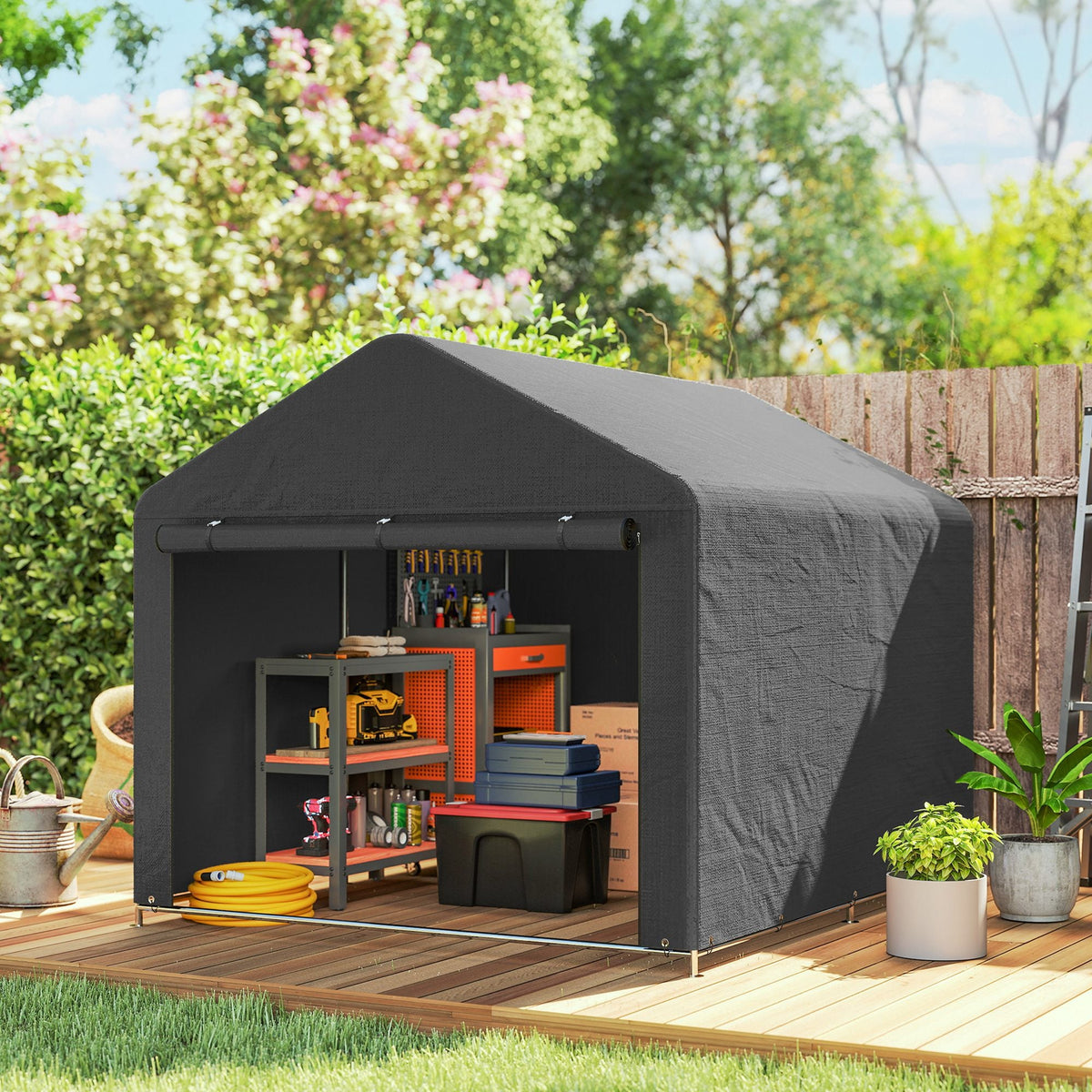
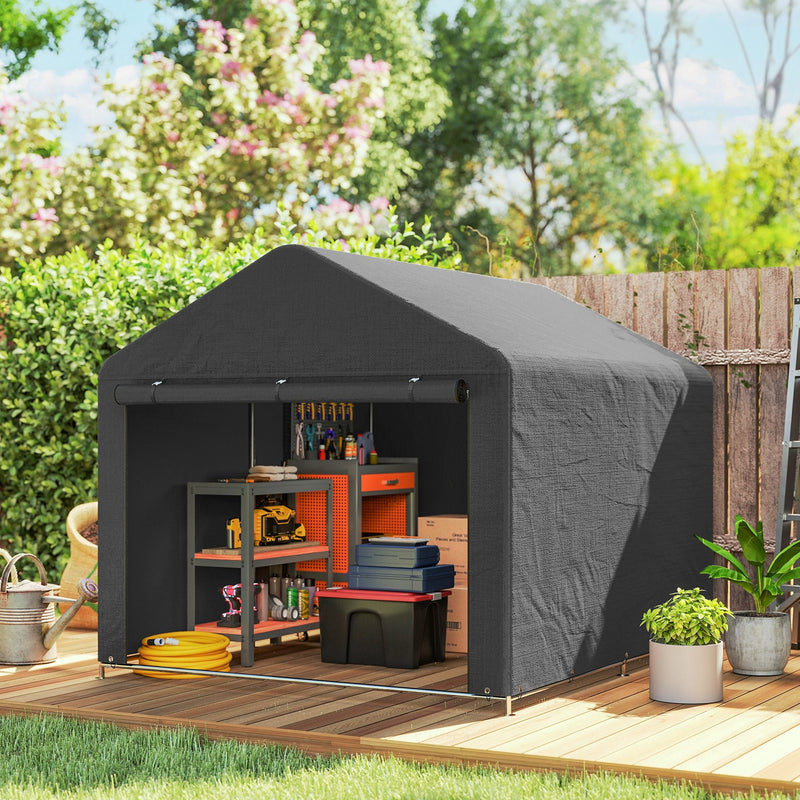
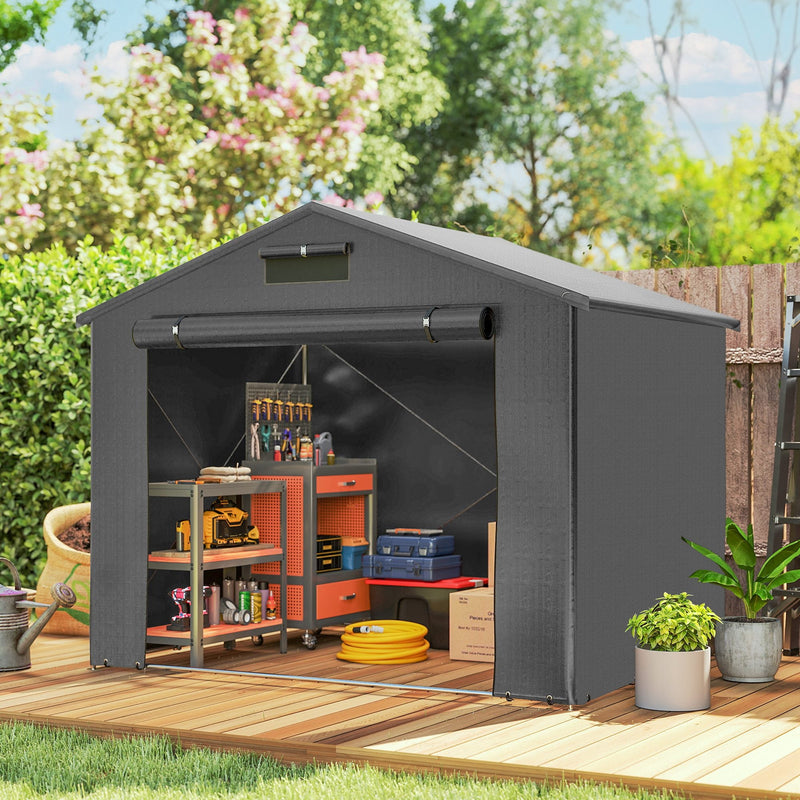
Plastic garden sheds — UV-stabilised builds for zero-maintenance storage
Plastic sheds had a reputation problem ten years ago — flimsy, ugly, and short-lived. Modern UV-stabilised polypropylene and HDPE sheds have changed that. The good ones are now genuine 12–15-year products that don't require any maintenance, and they look acceptable doing it.
This collection is filtered for sheds that meet a real spec: structural-grade UV-stabilised resin, internal steel reinforcement at high-stress points, and joinery that doesn't fail.
Why pick plastic over timber or metal
- Zero maintenance — no painting, no staining, no rust treatment. Ever.
- Doesn't rot — sit it on damp ground for a decade; nothing happens
- Doesn't rust — relevant in coastal locations particularly
- Easier installation — lighter components, simpler tools, quicker assembly
- Light interior — many models have skylights/translucent panels
Where plastic loses
- Aesthetics — even the best plastic sheds look like plastic sheds. Wood looks better.
- Security — plastic walls don't stop a determined intruder
- Modification — can't drill into walls to hang shelves easily; can't add windows
- Heat — direct sun heats the interior more than wood
UV-stabilised polypropylene vs commodity HDPE
Same story as storage boxes. UV-stabilised plastic sheds use polymer formulations that resist UV breakdown for 12+ years. Commodity HDPE sheds (cheap shed-sized boxes from supermarkets) go chalky in 3 years and brittle in 5.
The price difference is £100–300 at retail. The lifecycle difference is one shed vs three.
Sizing
| Size | What fits | Use case |
|---|---|---|
| 4×3 ft | Mower, basic tools | Compact gardens |
| 6×4 ft | Mower, strimmer, hand tools, 1 bike | Standard family |
| 6×6 ft | Above + workbench area | Hobbyist storage |
| 8×6 ft | Two bikes, BBQ, garden chairs, full tool kit | Larger family |
| 10×8 ft | Workshop space + storage | Allotments, hobbyists |
Plastic shed-specific features
Translucent roof panels. Light enters; you don't need electric lighting for daytime use. Almost universal on quality plastic sheds.
Click-together panel construction. Most plastic sheds use interlocking panels — assembly is faster than wood (no screwing into stud frames).
Snap-fit floor. Many include integrated floor panels — keeps the shed off ground moisture and provides a clean interior.
Steel internal frame. Better plastic sheds have a steel skeleton — gives structural rigidity that pure plastic lacks.
Base preparation — still required
Plastic sheds need a level base just like timber ones. Skipping this step is the most common mistake. Three good options:
- Concrete slab (gold standard — lasts forever)
- Paving flags on hardcore (cheaper, perfectly fine for sheds up to 8×6 ft)
- Pressure-treated timber base on bearers (good for sloping ground)
Don't put a plastic shed directly on grass. Even though plastic doesn't rot, the shed will move; doors stop closing properly within 18 months.
Anchoring against wind
Plastic sheds are lighter than wood or metal — high winds can lift them. Most include floor anchor points; use them. Concrete-bolt the floor or chain to a ground anchor for exposed locations.
If you're in Scotland, on a hilltop, or anywhere with regular 50+ mph winds, ground-anchoring is essential, not optional.
Security
Plastic walls aren't barrier-grade. For tools and equipment that aren't bike-grade valuable, the standard latch + padlock is fine. For e-bikes, expensive power tools, or anything insurance-rated, look at metal sheds instead.
Assembly
Plastic sheds are typically the fastest assembly in the shed category — 2–3 hours for 6×4 ft, 4–5 hours for 8×6 ft. Two people minimum, basic hand tools (often just a phillips screwdriver). The click-together panel design is forgiving compared to wood.
Manufacturer-quoted times are often accurate for plastic sheds (unlike wooden sheds which usually take 30–50% longer than quoted).
Delivery
Plastic sheds ship pallet-direct, free UK mainland over £100, 5–7 working days. Smaller models (under 6×4 ft) sometimes ship by courier rather than pallet — saves logistics on the smallest units.
See all sheds or specifically metal sheds if security matters more.