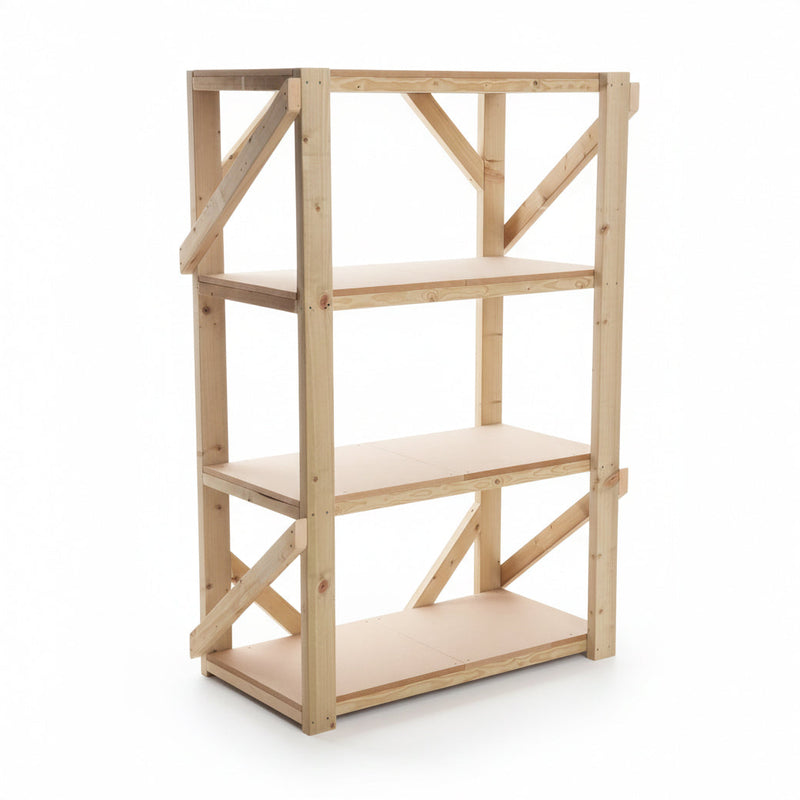
Garage Shelving

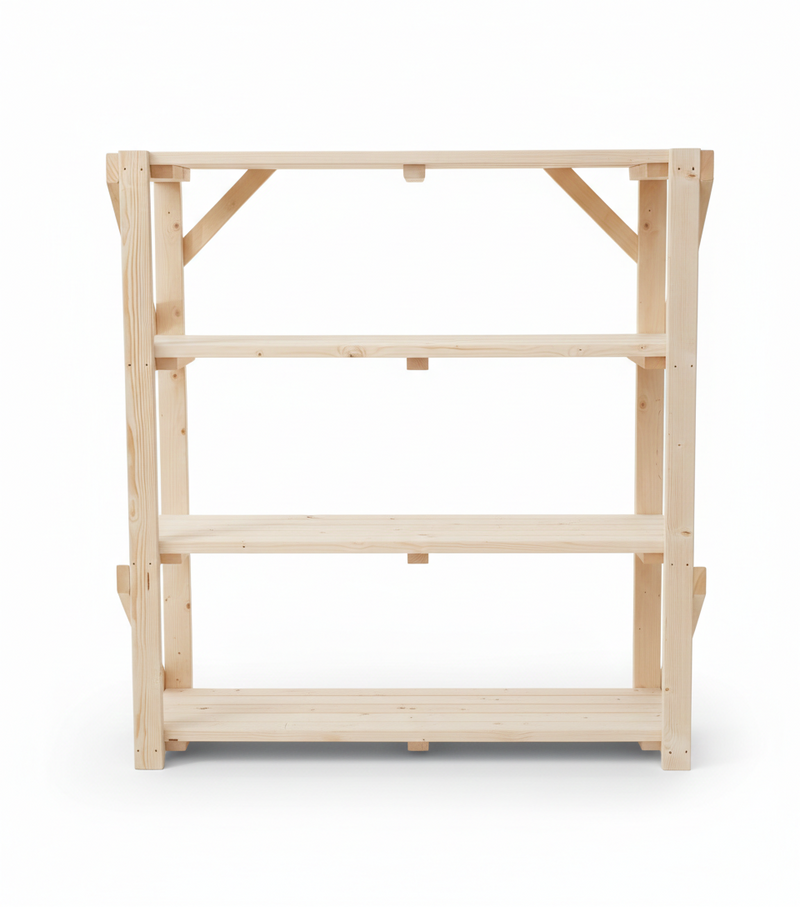
Garage shelving turns wasted wall and floor space into organised storage that can actually take some weight. This heavy duty wooden racking is built from solid timber, with deep shelves for the awkward, heavy things garages collect — paint tins, power tools, crates and spares.

Wooden garage shelving units hold a couple of practical advantages over wire racks: flat, solid shelves that small items cannot fall through, and a structure you can screw hooks, brackets and battens straight into as your storage needs change.

Plan the bays around what you own — taller gaps for jerry cans and toolboxes, shallower runs for tins and jars — and keep the heaviest loads on the bottom shelf.

4 products From £235 to £518
Everything you need to know

Choosing the right garden storage for your space

Garden storage has to do three things at once: keep your kit dry, stand up to British weather year after year, and actually look right next to your planting. Most cheap options get one of those — ours are designed around all three.

Use the filters to narrow by capacity, material, and feature. If you're not sure where to start, our 60-second storage finder will shortlist three options for your garden.

Common questions

Before you buy Garage Shelving.

How much weight can wooden garage shelving hold?

This heavy duty wooden racking is built from solid timber, made for the awkward, heavy things garages collect such as paint tins, power tools, crates and spares. Solid timber shelves take substantial loads when the unit is assembled soundly. To stay within safe limits, spread heavy items along the shelf and keep the heaviest loads on the bottom shelf.

Why choose wooden garage shelving over wire racks?

Wooden garage shelving units hold a couple of practical advantages over wire racks: flat, solid shelves that small items cannot fall through, and a structure you can screw hooks, brackets and battens straight into as your storage needs change. That makes the racking easy to adapt over time, so it grows with what you need to store.

How should I plan the shelf spacing in a garage?

Plan the bays around what you own. Set taller gaps for jerry cans and toolboxes and shallower runs for tins and jars, so no space is wasted. Deep shelves handle bulky, heavy items, while closer spacing keeps smaller stock tidy and reachable. Working out your storage before building means each bay actually fits the things going on it.

Where should the heaviest items go on garage shelving?

Keep the heaviest loads on the bottom shelf. Storing weight low keeps the unit stable and makes lifting safer, while lighter, less-used items sit higher up. This is a sensible habit with any racking, but it matters most in a garage where paint tins, power tools and crates can add up to a considerable load.

Can I add hooks or brackets to wooden shelving units?

Yes, and it is one of the main advantages of timber. You can screw hooks, brackets and battens straight into the solid structure as your storage needs change, hanging tools or fixing dividers wherever they help. That adaptability lets a single unit keep pace with new kit, rather than being fixed to one layout like a wire rack.