Shed Bases

Every shed lasts longer on a proper shed base. Setting your building on a firm, level foundation keeps the floor clear of damp ground, helps doors stay square, and prevents the gradual sinking that shortens a shed's life.

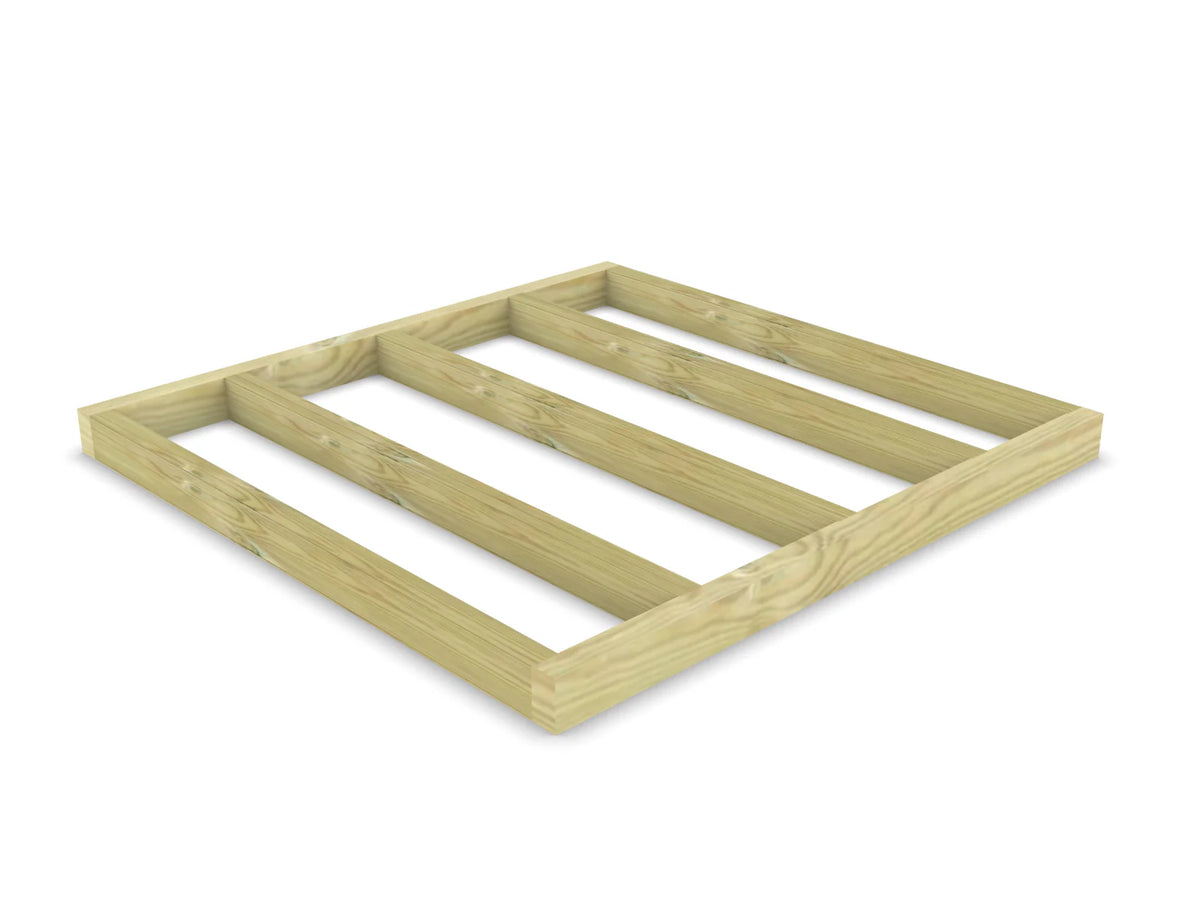
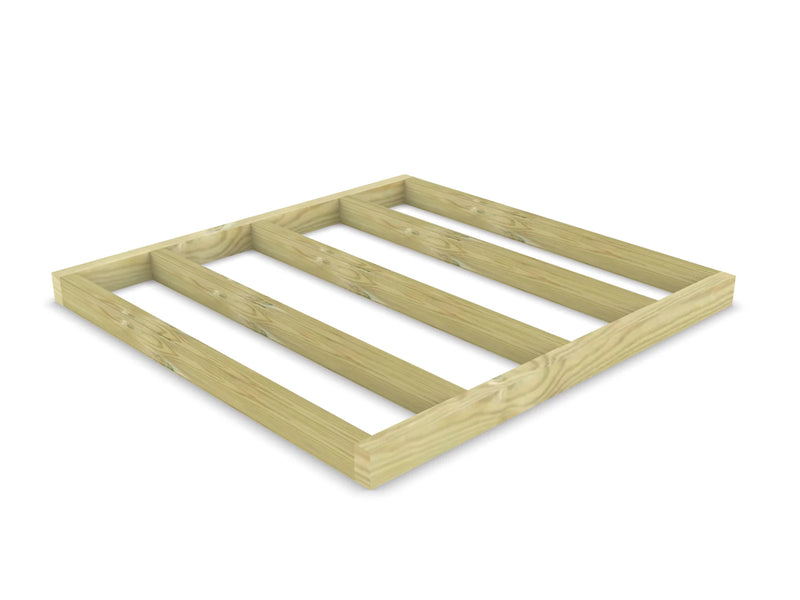
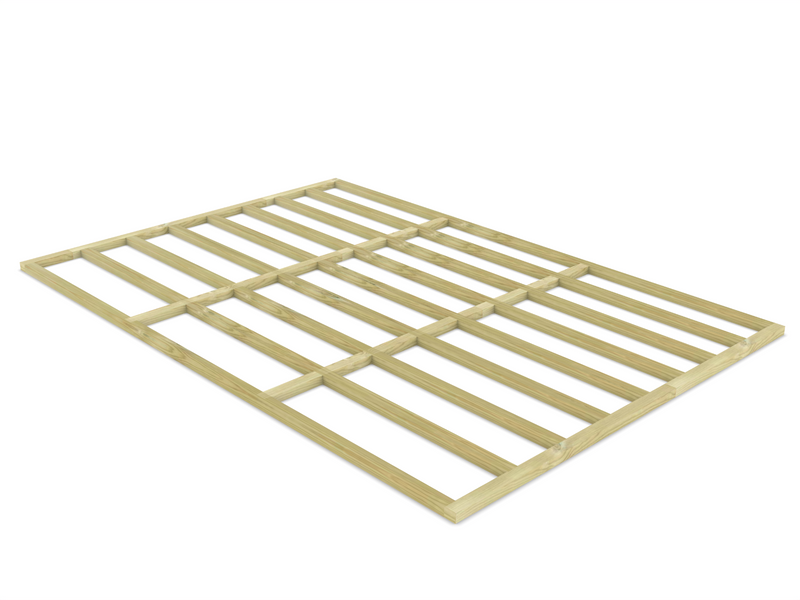
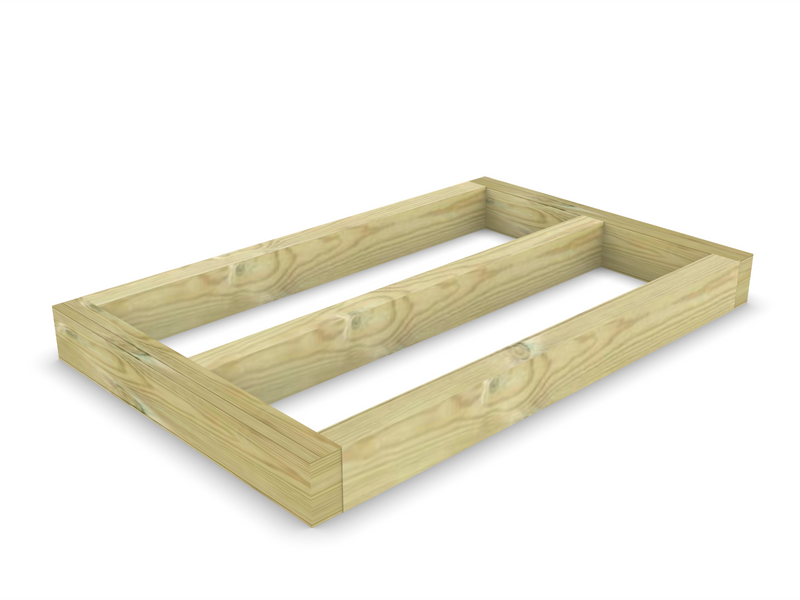
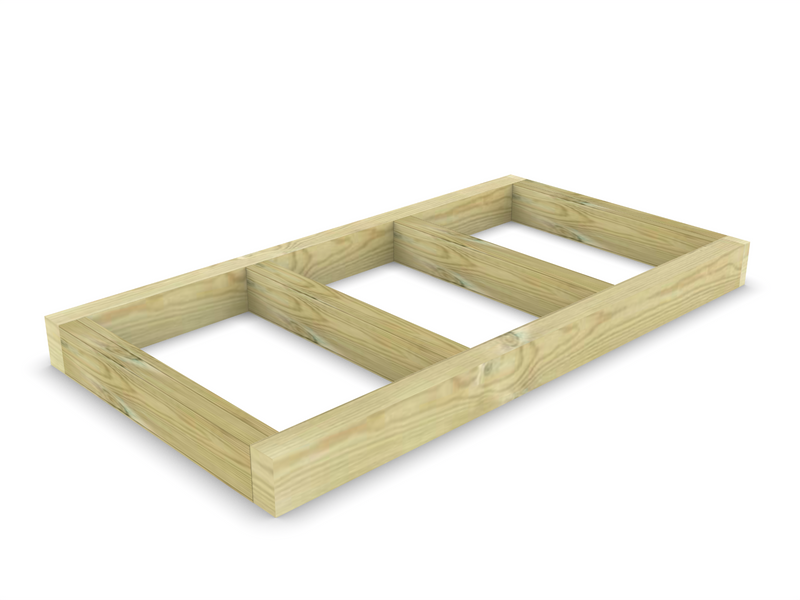
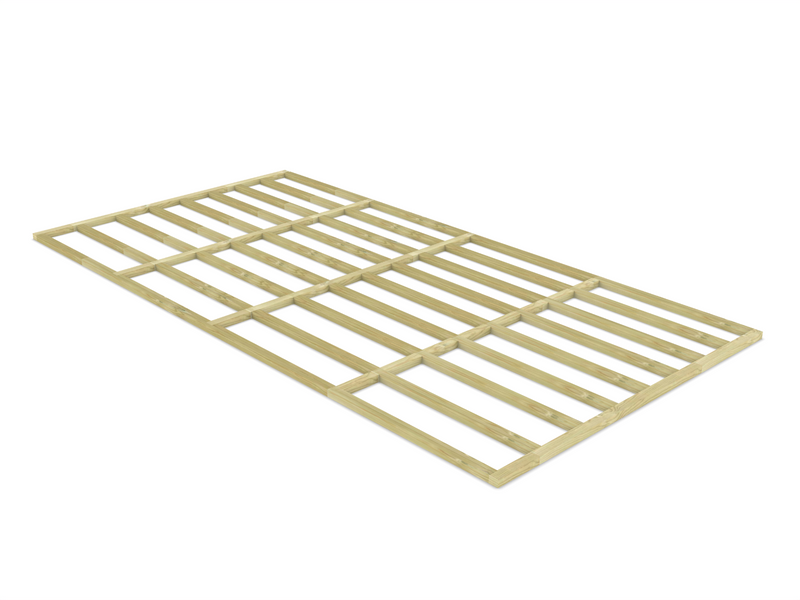
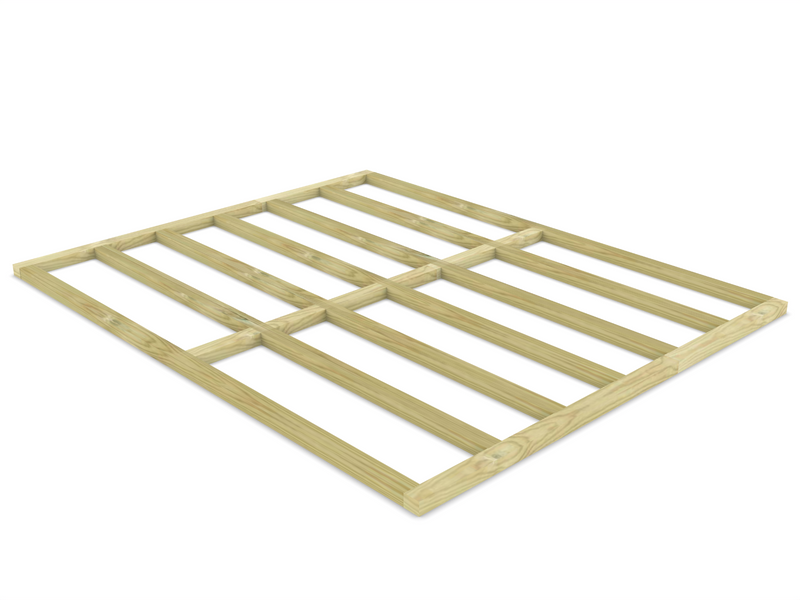
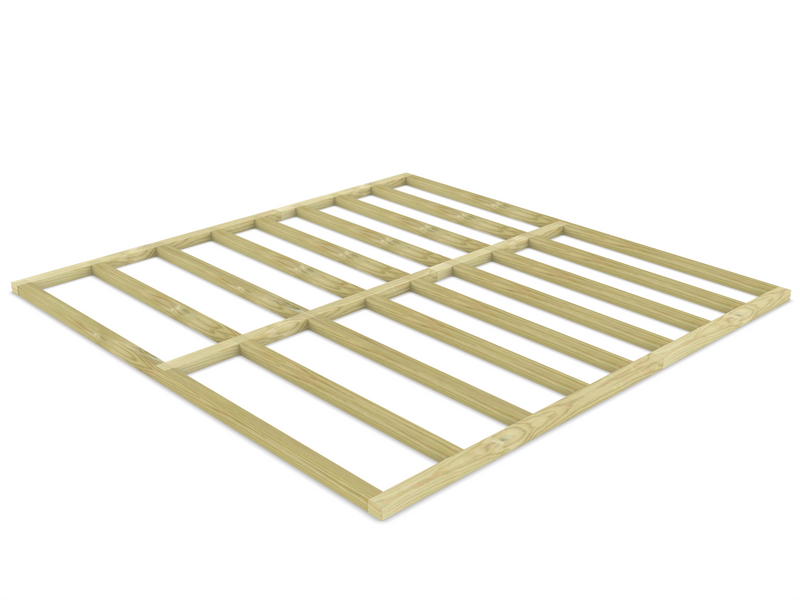
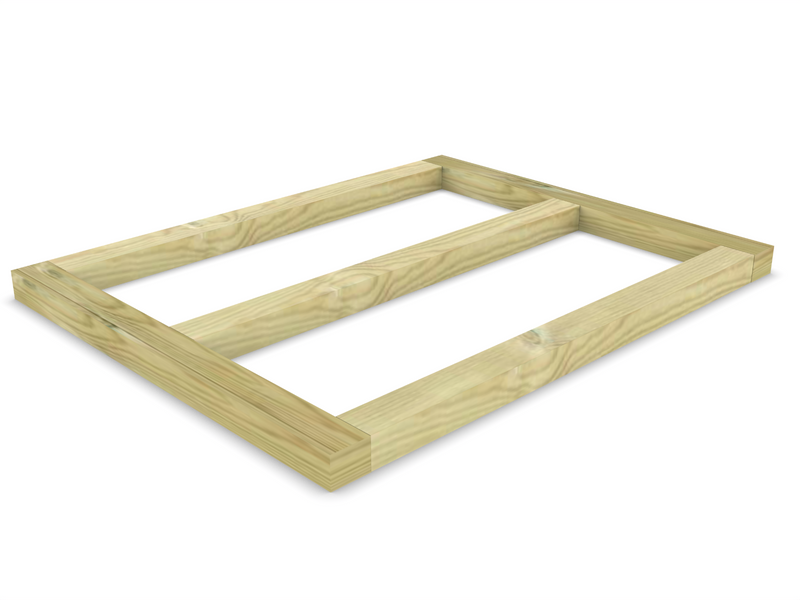
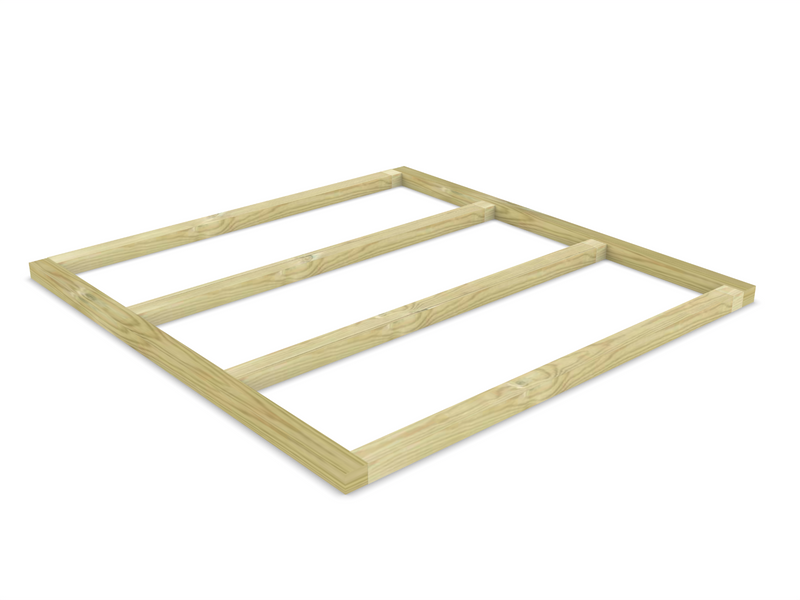
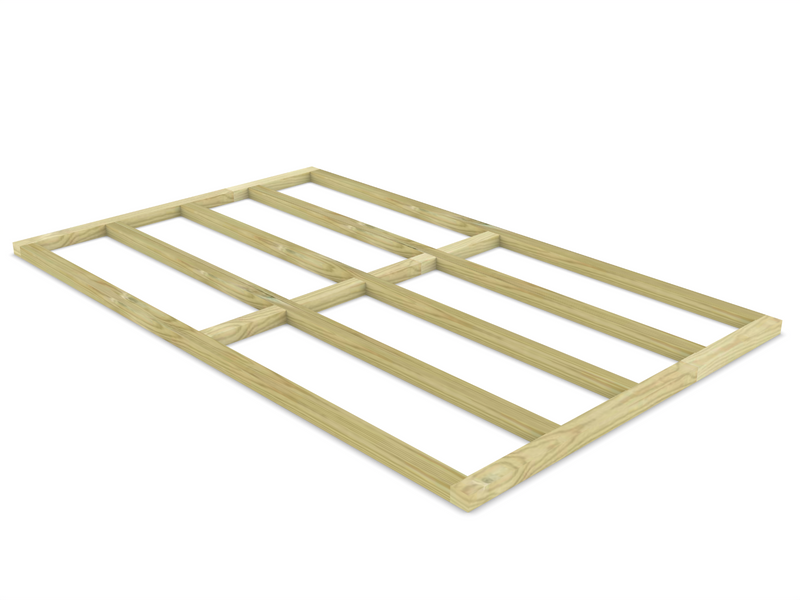
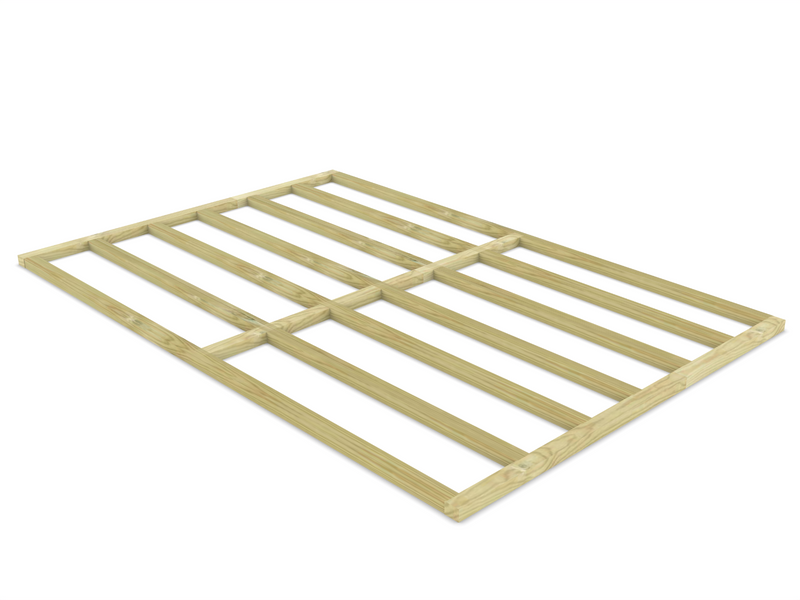
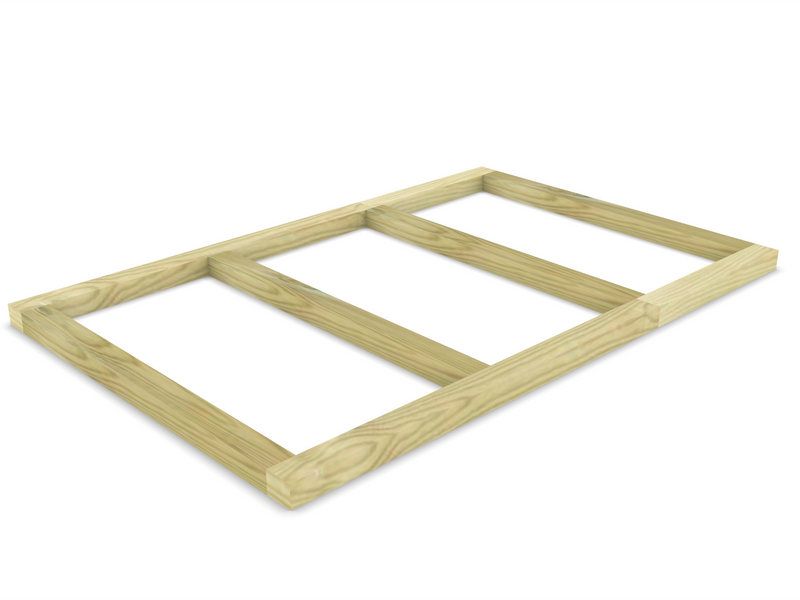
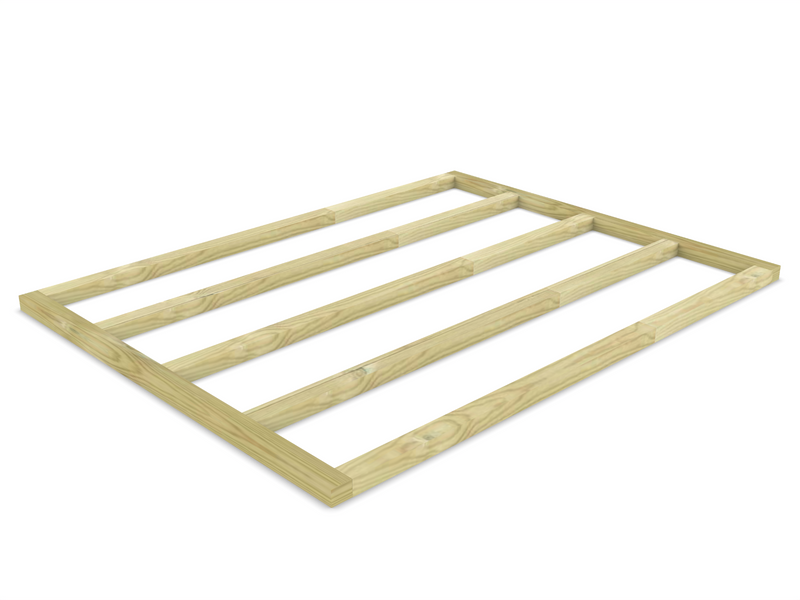
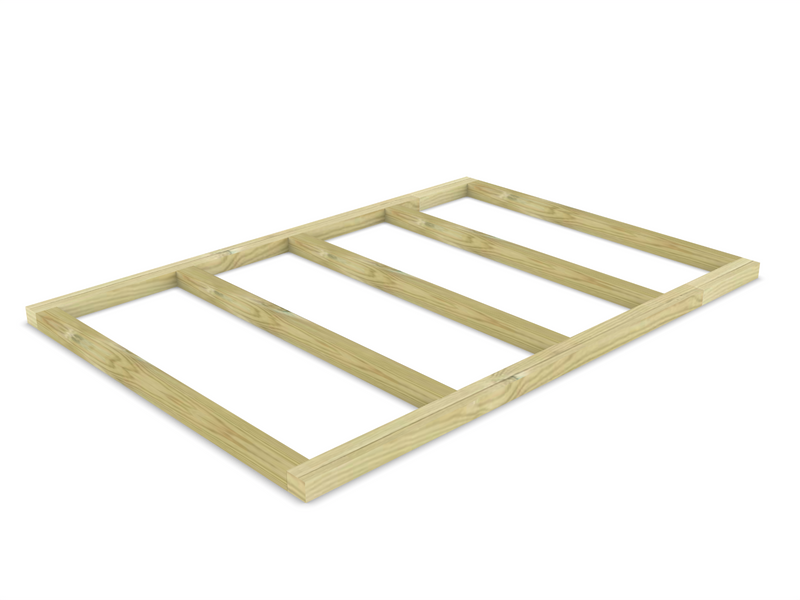
The wooden shed base designs in this collection use timber framing sized to suit common shed footprints. Compared with concrete, a timber shed base is quicker to put down, can be lifted and repositioned if your garden layout changes, and allows airflow beneath the shed floor.

Match the base to your shed's footprint — going slightly larger is fine — and prepare reasonably level ground first for the best long-term result.

14 products From £54 to £316
Everything you need to know

Choosing the right garden storage for your space

Garden storage has to do three things at once: keep your kit dry, stand up to British weather year after year, and actually look right next to your planting. Most cheap options get one of those — ours are designed around all three.

Use the filters to narrow by capacity, material, and feature. If you're not sure where to start, our 60-second storage finder will shortlist three options for your garden.

Common questions

Before you buy Shed Bases.

Why does a shed need a base?

A shed lasts far longer on a proper base. Setting the building on a firm, level foundation keeps the floor clear of damp ground, helps the doors stay square and prevents the gradual sinking that shortens a shed's life. Without one, a shed sitting straight on soil is prone to rot, warping and doors that no longer close.

What size shed base do I need?

Match the base to your shed's footprint. Going slightly larger than the shed is fine and gives a small margin around the edge, but you do not want the floor overhanging an undersized frame. Take the shed's stated dimensions and choose a base that meets or just exceeds them for firm, even support across the whole floor.

Is a timber shed base better than concrete?

A timber shed base is quicker to put down than concrete, needs no mixing or curing and makes no permanent change to the garden. It can be lifted and repositioned if your layout changes, and it allows airflow beneath the shed floor, which helps keep the base of the building dry. For most gardens it is the easier, more flexible option.

How do I prepare the ground before laying a shed base?

Prepare reasonably level ground first for the best long-term result. Clear away turf, large stones and debris, then firm and level the area so the base sits evenly without rocking. A timber base tolerates minor unevenness better than concrete, but the flatter and more stable the ground, the squarer the shed will stand over the years.

Can a timber shed base be moved later?

Yes, one of the advantages of a timber base is that it can be lifted and repositioned if your garden layout changes, unlike a poured concrete slab. That flexibility makes it a practical choice if you might rearrange the garden in future, while still giving the firm, level foundation a shed needs to stay square and dry.