Garden Edging

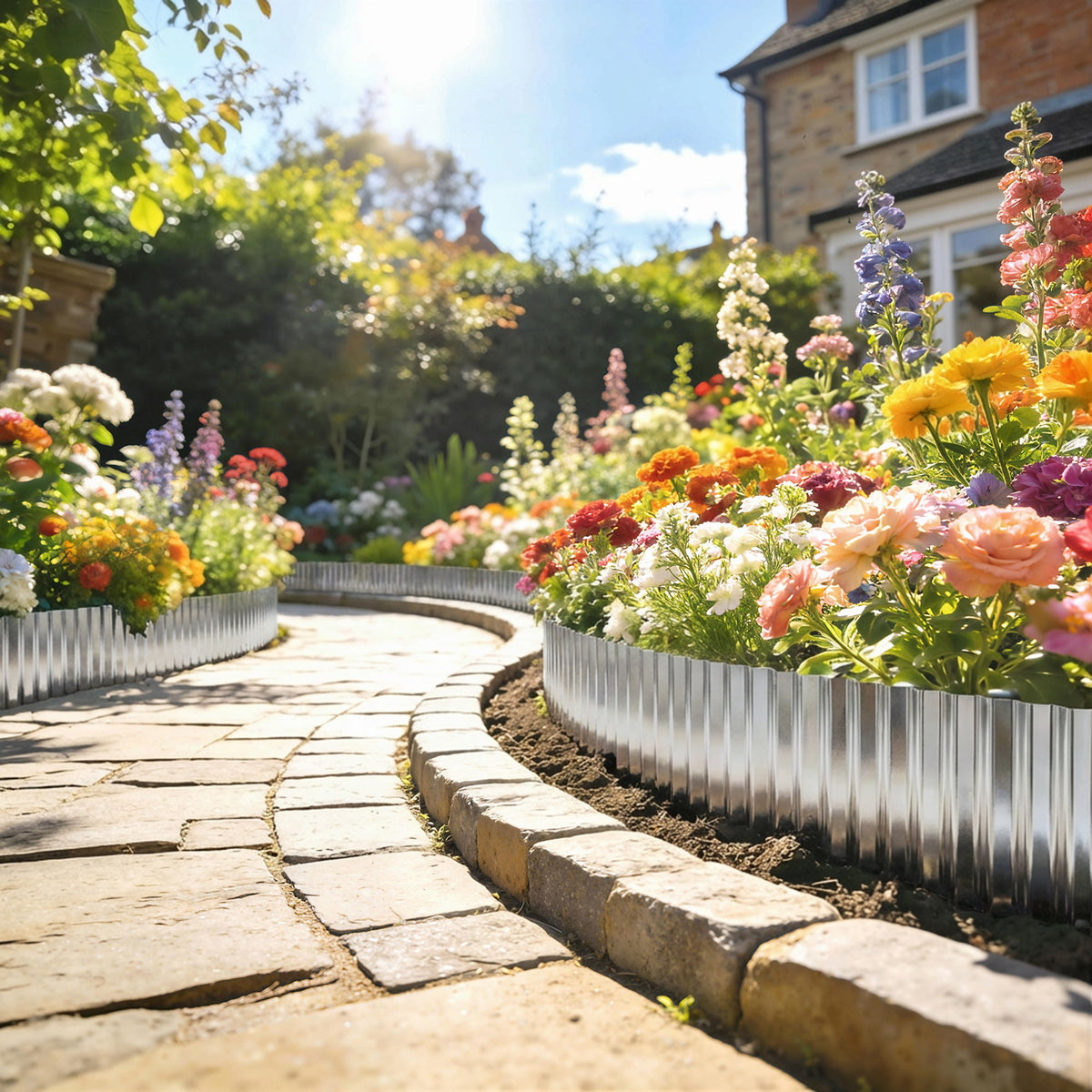
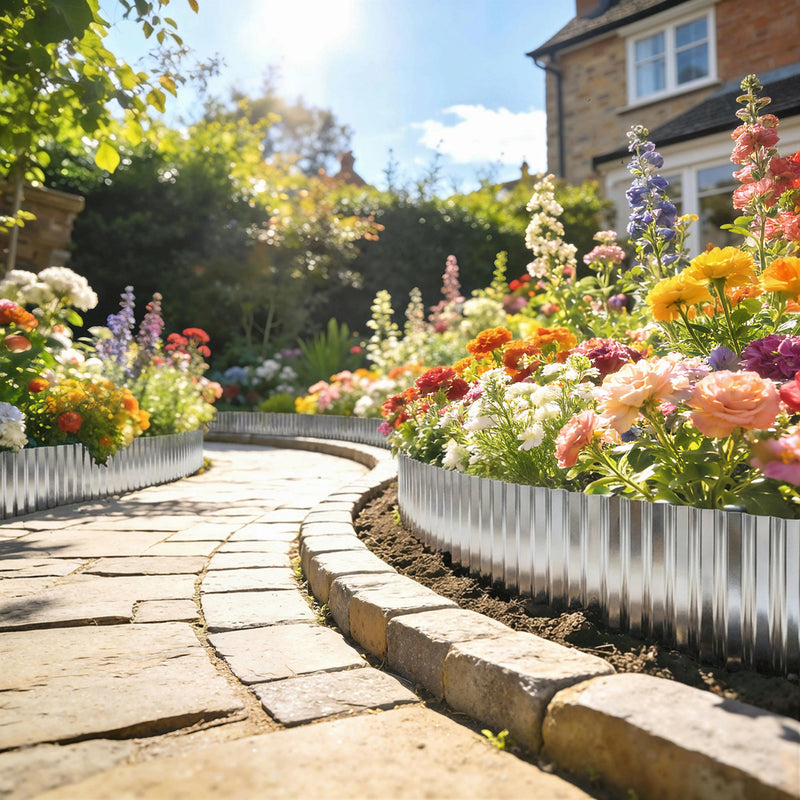
Garden edging defines the lines between lawns, borders and pathways, giving beds a tidy, finished appearance. This collection features metal edging designed to separate planting areas from grass, gravel and paving, helping to keep soil, mulch and stones in place.

Made from durable metal, the edging pushes or fixes into the ground to form a continuous border that follows straight runs or gentle curves. A low profile keeps the focus on your planting while marking a clear boundary that makes mowing and maintenance easier.

Whether you are shaping a new flower bed, lining a path or refreshing existing borders, metal edging offers a practical and understated way to bring structure to the garden.

1 product From £69.98
Everything you need to know

Choosing the right garden storage for your space

Garden storage has to do three things at once: keep your kit dry, stand up to British weather year after year, and actually look right next to your planting. Most cheap options get one of those — ours are designed around all three.

Use the filters to narrow by capacity, material, and feature. If you're not sure where to start, our 60-second storage finder will shortlist three options for your garden.

Common questions

Before you buy Garden Edging.

How is metal garden edging installed?

Metal edging is pushed or hammered into prepared soil along your border, with many designs featuring spiked sections or stakes that anchor it firmly. Mark your line first, loosen compacted ground, then press each panel in to the desired height and connect the sections together. No concrete is needed, and the edging can be lifted and repositioned if you redesign the bed later.

Can metal edging follow curved borders?

Yes, thinner steel and aluminium edging is flexible enough to bend into gentle curves, making it ideal for shaping winding beds, circular features and flowing lawn edges. Corrugated or thicker profiles hold straighter lines. Work the metal gradually into shape rather than forcing sharp kinks, and use the connectors to join lengths smoothly around longer curves for a continuous, tidy border.

Does garden edging stop grass and weeds spreading?

A continuous run of edging set at the right depth creates a physical barrier that helps stop grass runners and creeping roots invading beds and paths, keeping borders crisp and reducing trimming. It works best when installed deep enough that roots cannot easily grow underneath. It will not block windblown seeds, so occasional weeding within the bed is still needed.

What metal is the edging made from and will it rust?

Garden edging is commonly made from galvanised or powder-coated steel, aluminium or Corten-style weathering steel. Galvanised and coated finishes resist corrosion for many years, while Corten deliberately forms a stable rusted patina as a design feature rather than failing. Aluminium will not rust at all. Choose based on the look you want and how exposed your borders are to moisture.

How tall should garden edging stand above the soil?

This depends on the job. For separating lawn from beds, an inch or two above ground is usually enough to define the edge while letting a mower run alongside. For retaining gravel, bark or raised soil, choose a taller profile so the material stays contained. Set it consistently along the run for a neat, level appearance across the whole border.