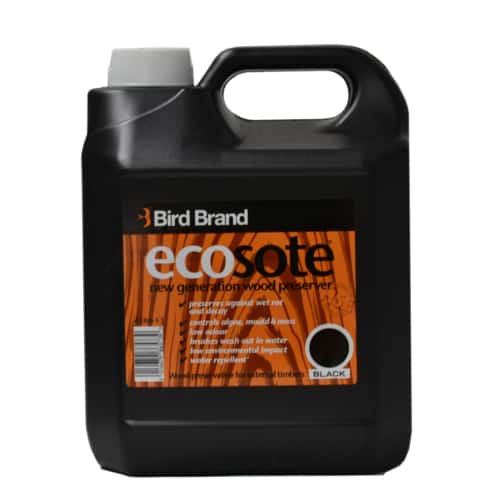
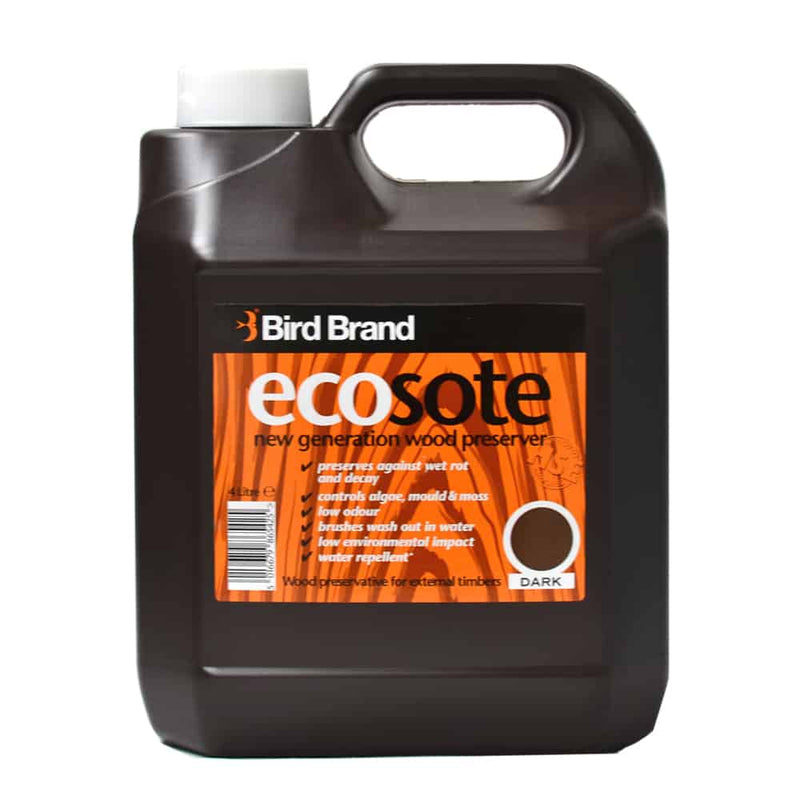
Timber Treatment

Timber treatment defends the wood that lives outside all year. Sheds, fences, log stores and garden furniture all face rot, decay and weather, and a good wood preserver soaks into the grain to protect the timber from within rather than just coating the surface.

This collection covers clear preservers that protect without altering the wood's natural colour, alongside pigmented treatments that refresh tired, greyed timber while they work. Both apply by brush or sprayer to clean, dry wood.

How often to recoat depends on the product and the exposure — a south-facing fence takes far more weather than a sheltered shed wall — so check the manufacturer's guidance for your situation.

30 products From £2.94 to £28.46
Everything you need to know

Choosing the right garden storage for your space

Garden storage has to do three things at once: keep your kit dry, stand up to British weather year after year, and actually look right next to your planting. Most cheap options get one of those — ours are designed around all three.

Use the filters to narrow by capacity, material, and feature. If you're not sure where to start, our 60-second storage finder will shortlist three options for your garden.

Common questions

Before you buy Timber Treatment.

How does timber treatment protect wood from within?

A good wood preserver soaks into the grain to protect the timber from within rather than just coating the surface. This defends sheds, fences, log stores and garden furniture against rot, decay and weather where it starts, deep in the wood. Because it penetrates rather than sitting on top, protection is less likely to simply flake away over time.

Can timber treatment be applied with a sprayer?

Yes. The treatments in this collection apply by brush or sprayer to clean, dry wood. A sprayer covers large runs of fencing quickly, while a brush helps work product into joints and end grain. Whichever you use, preparing clean, dry timber first lets the treatment soak in properly and gives the fullest protection.

Will timber treatment change the colour of my wood?

That depends which you choose. This collection covers clear preservers that protect without altering the wood's natural colour, alongside pigmented treatments that refresh tired, greyed timber while they work. If you want the grain to stay as it is, pick a clear product; if the wood has weathered grey and you want it revived, a pigmented treatment restores colour as it protects.

How often should timber treatment be recoated?

How often to recoat depends on the product and the exposure. A south-facing fence takes far more weather than a sheltered shed wall, so it will need attention sooner. Rather than working to a fixed timetable, check the manufacturer's guidance for your situation and reapply before the timber starts looking tired or weathered to keep protection continuous.

What outdoor timber benefits most from treatment?

Sheds, fences, log stores and garden furniture all face rot, decay and weather, so all of them benefit from timber treatment. Anything living outside year-round is exposed to damp and sun that break wood down over time. Treating these regularly, and paying attention to the most exposed faces, keeps the timber sound for far longer than leaving it bare.