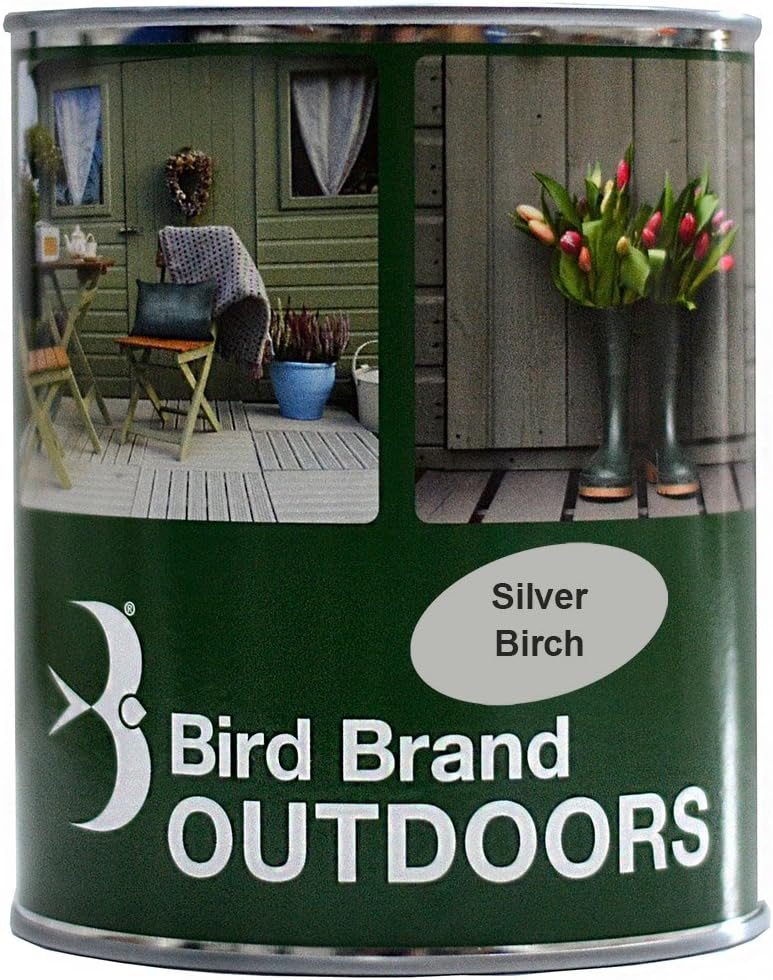
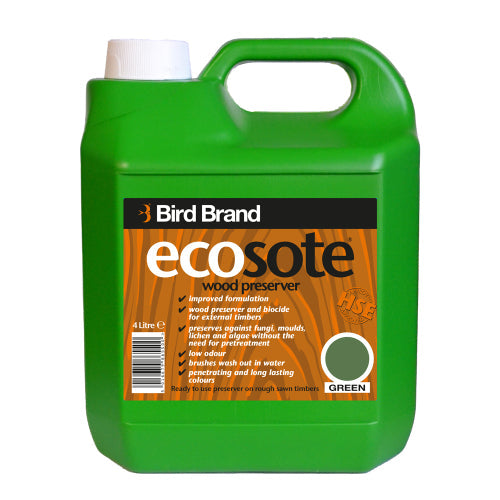
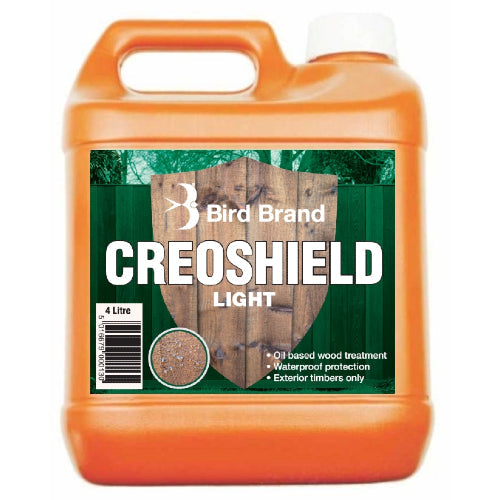
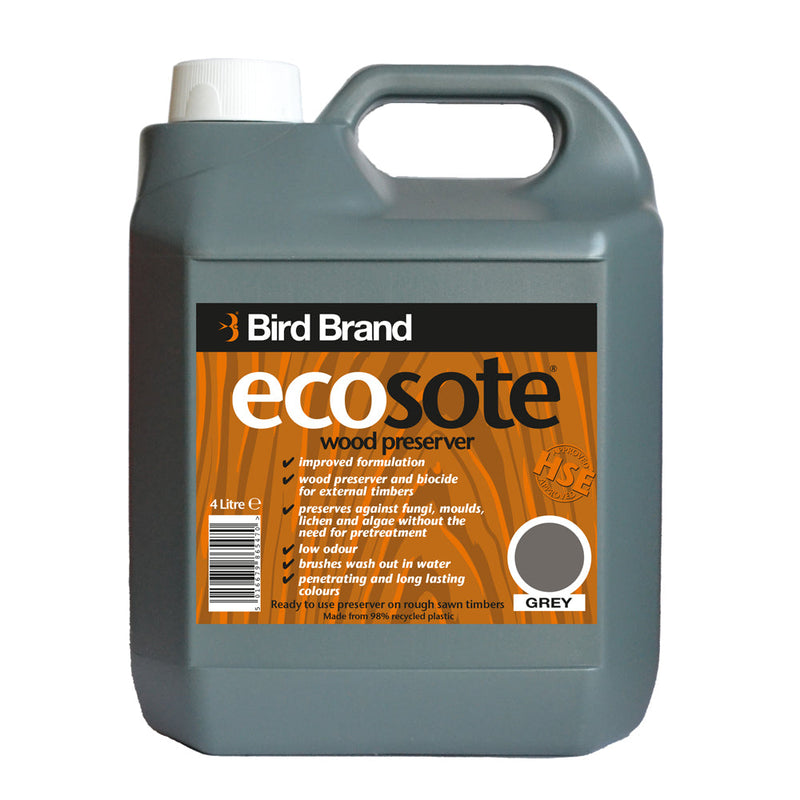
Wood Preservers

Timber outdoors needs a helping hand, and a quality wood preserver is the most cost-effective protection you can give it. The treatments in this collection defend sheds, fences, gates and garden furniture against rot, mould and general weathering.

Choose a clear wood preserver where you want to protect the timber while keeping its natural colour and grain on show, or opt for a tinted timber treatment to refresh tired wood at the same time as protecting it.

Preparation makes the difference: apply to clean, dry timber, work the product into end grain and joints where moisture lingers, and re-treat at the intervals the manufacturer recommends to keep protection topped up.

30 products From £2.94 to £28.46
Everything you need to know

Choosing the right garden storage for your space

Garden storage has to do three things at once: keep your kit dry, stand up to British weather year after year, and actually look right next to your planting. Most cheap options get one of those — ours are designed around all three.

Use the filters to narrow by capacity, material, and feature. If you're not sure where to start, our 60-second storage finder will shortlist three options for your garden.

Common questions

Before you buy Wood Preservers.

What does a wood preserver protect against?

A quality wood preserver defends outdoor timber against rot, mould and general weathering. The treatments in this collection are made to protect sheds, fences, gates and garden furniture, helping timber stand up to damp and the elements. It is the most cost-effective protection you can give exterior wood, working into the grain rather than sitting only on the surface.

Should I choose a clear or tinted wood preserver?

Choose a clear wood preserver where you want to protect the timber while keeping its natural colour and grain on show. Opt for a tinted timber treatment where you want to refresh tired wood at the same time as protecting it. Both defend against rot and weathering; the difference is simply whether you change the wood's appearance.

How do I apply wood preserver properly?

Preparation makes the difference. Apply to clean, dry timber and work the product into end grain and joints where moisture lingers, as these are the areas most prone to rot. Following the manufacturer's method for the specific product gives the best protection. Coverage varies by timber type, its condition and the number of coats applied.

How often should wood preserver be reapplied?

Re-treat at the intervals the manufacturer recommends to keep protection topped up, as this varies by product and exposure. A south-facing fence takes far more weather than a sheltered wall, so it may need attention sooner. Checking the timber each year and refreshing before it looks tired keeps the wood defended without long gaps in cover.

Can I use wood preserver on garden furniture and planters?

Yes. The preservers here suit sheds, fences, gates and garden furniture, and are well suited to items like a wooden planter or wooden storage box that live outside year-round. Apply to clean, dry timber and let it dry fully before use. For anything holding plants, follow the product guidance on suitability near soil and growing media.